

Table of Contents
Africa's commercial energy landscape is undergoing a major transformation. As electricity demand continues to rise while grid infrastructure struggles to keep pace, businesses across the continent are looking for smarter, more reliable power solutions. Commercial energy storage is no longer viewed as an emerging technology—it is becoming a strategic investment for companies seeking energy resilience, lower operating costs, and long-term business continuity.
From manufacturing plants and logistics centers to hotels, shopping malls, hospitals, and office buildings, battery energy storage systems (BESS) are helping organizations overcome power instability while supporting the transition toward cleaner energy.
So, what is driving the rapid growth of Africa's commercial energy storage market, and where are the biggest opportunities?
Why Africa Needs Commercial Energy Storage More Than Ever
Many African countries continue to experience frequent power outages, voltage fluctuations, and limited grid capacity. These challenges affect productivity, increase operating expenses, and create uncertainty for businesses that depend on uninterrupted electricity.
For years, diesel generators have served as the primary backup solution. However, rising fuel costs, increasing maintenance requirements, environmental concerns, and stricter sustainability goals are encouraging businesses to explore better alternatives.
Commercial battery storage offers several advantages:
- Improved energy reliability
- Reduced dependence on diesel generators
- Better utilization of solar power systems
- Enhanced energy security
- Lower long-term electricity costs
Instead of simply providing backup power, modern C&I battery storage systems help businesses actively manage energy consumption, optimize electricity usage, and improve operational efficiency.
Key Trends Driving Africa's Commercial Energy Storage Market
1. Growing Demand for Energy Resilience
Power reliability has become one of the biggest concerns for commercial and industrial users.
Manufacturers cannot afford production interruptions. Retail businesses need uninterrupted refrigeration and lighting. Hospitals require continuous power for critical medical equipment. Data centers depend on stable electricity to protect valuable information.
As a result, businesses are increasingly investing in energy resilience rather than relying solely on emergency backup generators.
Battery energy storage enables seamless power switching during outages while supporting continuous business operations.
2. Rapid Growth of Distributed Energy Systems
Instead of relying entirely on centralized power generation, many African businesses are adopting distributed energy solutions.
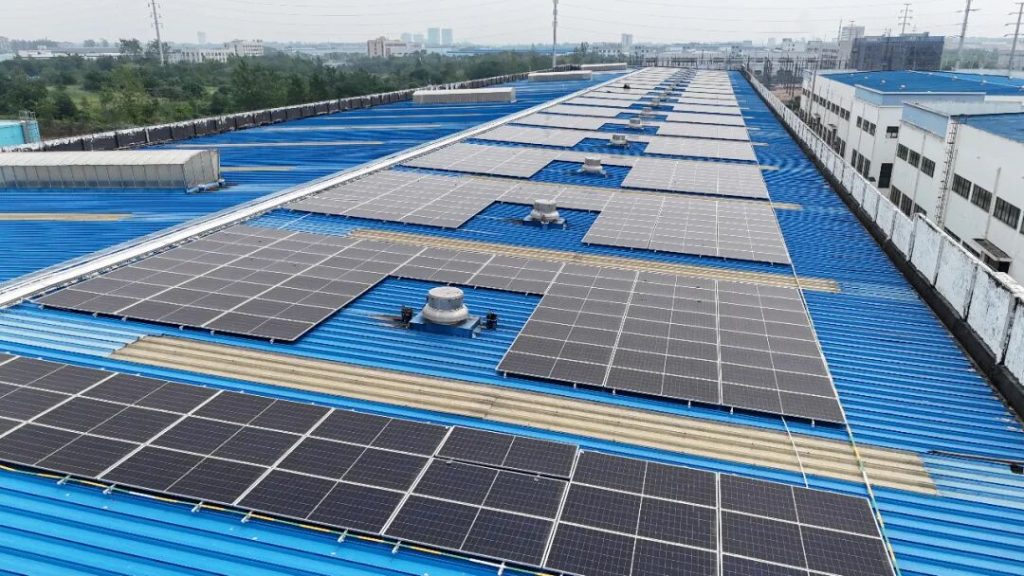
Commercial solar installations combined with battery storage allow companies to generate, store, and consume electricity locally. This approach reduces transmission losses while improving overall energy independence.
Distributed energy resources are expected to play a central role in Africa's future electricity ecosystem, especially in regions where grid expansion remains slow.
3. Increased Adoption of Behind-the-Meter Storage
Behind-the-meter (BTM) energy storage has become one of the fastest-growing segments of the commercial energy market.
Unlike utility-scale storage, BTM systems are installed directly at business facilities, allowing companies to:
- Store excess solar energy
- Reduce peak electricity demand
- Improve power quality
- Increase self-consumption of renewable energy
- Lower electricity bills
This approach gives businesses greater control over their energy usage while improving return on investment.
4. Integration with Renewable Energy
Africa possesses some of the world's richest solar resources.
However, solar generation alone cannot always meet commercial energy demands due to weather conditions and nighttime operation.
Battery storage bridges this gap by storing excess solar energy during the day and supplying electricity when production decreases.
The combination of solar PV and commercial battery storage enables businesses to maximize renewable energy utilization while reducing reliance on conventional power sources.
Which Industries Offer the Greatest Opportunities?
Commercial energy storage is no longer limited to heavy industry.
Several sectors are experiencing particularly strong demand.

Manufacturing
Manufacturing facilities often operate around the clock and require stable electricity for production equipment.
Battery storage improves power quality, minimizes downtime, and supports more efficient energy management.
Hospitality
Hotels need reliable electricity for guest comfort, security systems, elevators, kitchens, and air conditioning.
Battery storage helps maintain uninterrupted operations while reducing dependence on diesel generators.
Warehousing and Logistics
Cold storage facilities and distribution centers require continuous power to protect temperature-sensitive products.
Energy storage improves operational reliability while lowering energy expenses.
Healthcare
Hospitals and medical laboratories cannot tolerate unexpected power interruptions.
Commercial battery storage provides fast-response backup power that supports critical healthcare services.
Commercial Real Estate
Office buildings and shopping centers increasingly adopt battery storage to improve energy efficiency, reduce operating costs, and meet sustainability targets.
Nigeria: A Leading Growth Market
Among African countries, Nigeria represents one of the most promising markets for commercial battery storage.
Rapid urbanization, expanding industrial activity, increasing electricity demand, and persistent grid instability are creating strong demand for reliable commercial power solutions.
Many businesses are moving beyond traditional generator-based systems and investing in hybrid energy solutions that combine:
- Solar PV
- Battery energy storage
- Intelligent energy management systems
- Grid connectivity
This flexible approach improves energy security while helping companies better manage rising electricity costs.
As government initiatives continue supporting renewable energy development, Nigeria is expected to remain one of Africa's most dynamic commercial energy storage markets.
Emerging Business Opportunities
The market is evolving beyond equipment sales.
New opportunities include:
- Commercial microgrid development
- Energy-as-a-Service (EaaS)
- Smart energy management platforms
- Remote monitoring services
- Battery lifecycle management
- Industrial energy optimization consulting
Businesses increasingly seek complete energy solutions rather than standalone products.
Solution providers capable of offering system design, installation, monitoring, and long-term technical support are well positioned to capture growing demand.
Looking Ahead
Africa's commercial energy storage market is entering a period of sustained growth. As businesses prioritize energy resilience, operational efficiency, and renewable integration, battery storage will become an essential part of commercial power infrastructure rather than an optional investment.
Companies that adopt commercial energy storage today can reduce energy risks, improve business continuity, lower operating costs, and strengthen their competitive advantage in an increasingly energy-conscious marketplace.
For organizations planning long-term growth across Africa, investing in commercial battery energy storage is no longer simply about storing electricity—it's about building a smarter, more resilient, and more sustainable future.
FAQs
1. Why is commercial energy storage growing so rapidly in Africa?
The rapid growth is driven by increasing electricity demand, unreliable power grids, rising diesel fuel costs, and the expansion of renewable energy projects. More businesses are investing in battery energy storage systems to improve energy reliability, reduce operating costs, and support long-term sustainability goals.
2. Which African countries have the highest demand for commercial battery storage?
Nigeria, South Africa, Kenya, Ghana, Egypt, Morocco, and Tanzania are among the fastest-growing markets. These countries are experiencing industrial expansion, increasing commercial electricity consumption, and greater adoption of renewable energy technologies.
3. What industries benefit the most from commercial energy storage?
Industries with high electricity consumption or critical power requirements typically benefit the most, including:
Manufacturing
Mining
Hotels and resorts
Hospitals
Shopping malls
Data centers
Cold storage facilities
Telecommunications
Agriculture and food processing
4. What factors should businesses consider before investing in a commercial energy storage system?
Businesses should evaluate:
Daily electricity consumption
Peak demand patterns
Frequency of power outages
Existing energy infrastructure
Future business expansion plans
Available installation space
Expected return on investment
A professional energy assessment can help determine the optimal system size.
5. What role does battery storage play in Africa's energy transition?
Battery energy storage supports the integration of renewable energy, improves grid flexibility, reduces dependence on fossil fuels, and enables businesses to adopt cleaner and more reliable energy solutions.
6. Why are more businesses choosing hybrid energy systems?
Hybrid systems combine the strengths of the utility grid, solar PV, battery storage, and backup generators. This approach increases energy reliability, improves efficiency, reduces fuel consumption, and provides greater flexibility under changing energy conditions.