

Table of Contents
As more businesses invest in Battery Energy Storage Systems (BESS) to reduce electricity costs and improve energy resilience, ensuring long-term system reliability has become a top priority. Whether deployed for commercial battery energy storage, industrial energy storage, solar + storage, or microgrid projects, every system may encounter operational challenges if it is not properly designed, installed, or maintained.
Understanding the most common battery energy storage problems—and knowing how to solve them—can help EPC contractors, project developers, facility managers, and distributors maximize system performance while reducing maintenance costs and downtime.
In this guide, we'll explore the most common issues affecting commercial battery energy storage systems and discuss practical solutions for improving safety, efficiency, and return on investment.
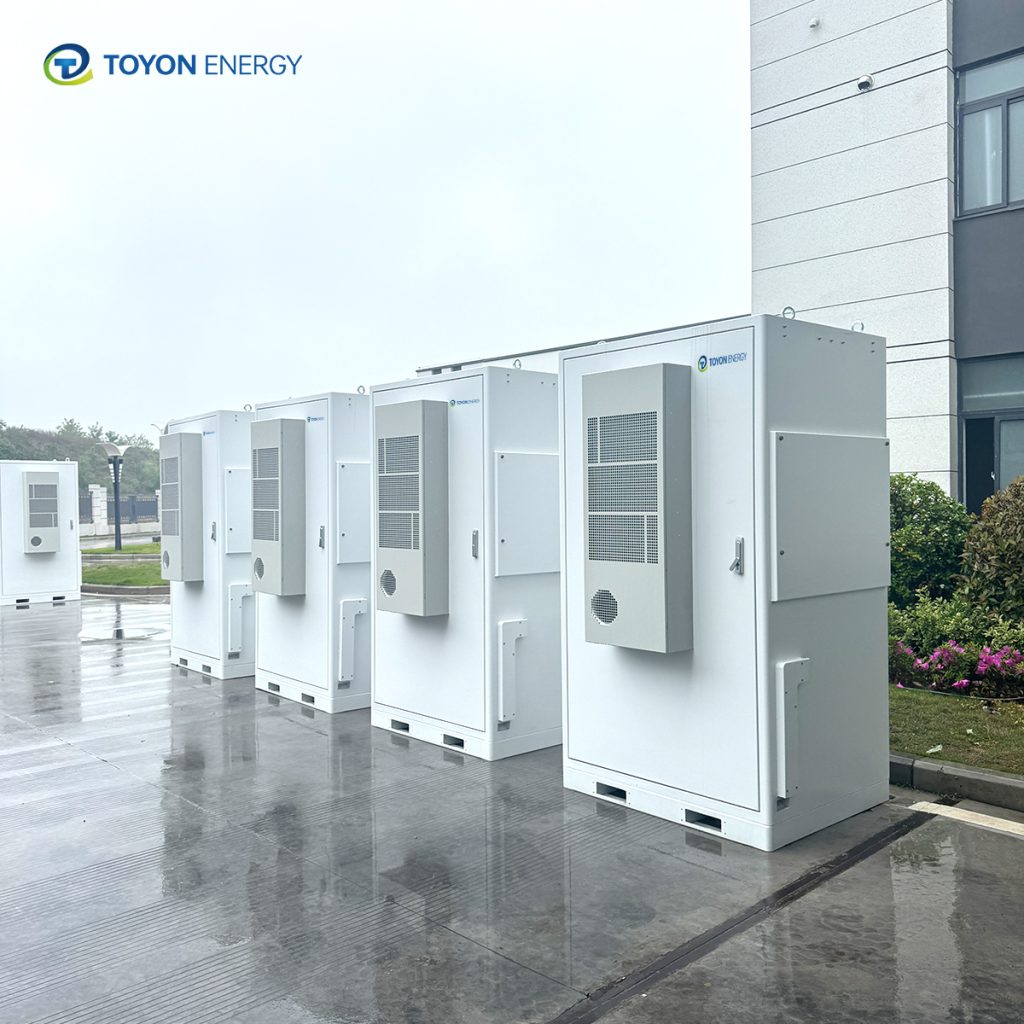
1. Battery Overheating
The Problem
Heat is one of the biggest threats to lithium battery performance. High operating temperatures accelerate battery aging, reduce charging efficiency, and may even trigger thermal runaway in extreme cases.
Overheating is especially common in large containerized battery energy storage systems operating in hot climates or under heavy charge and discharge cycles.
The Solution
A modern liquid-cooled battery energy storage system provides much more precise temperature control than conventional air-cooled systems. By maintaining a stable operating temperature across all battery cells, liquid cooling improves battery consistency, extends cycle life, and enhances overall system safety.
For commercial and industrial applications, selecting a BESS with an intelligent thermal management system is one of the most effective ways to ensure long-term reliability.
2. Reduced Battery Capacity Over Time
The Problem
All lithium batteries gradually lose capacity after repeated charging and discharging. Factors such as excessive depth of discharge, high temperatures, and improper charging strategies can accelerate degradation.
For businesses relying on commercial energy storage solutions, declining battery capacity directly affects system performance and project economics.
The Solution
A high-quality Battery Management System (BMS) continuously monitors voltage, current, temperature, and state of charge for every battery module. Intelligent battery balancing and optimized charging algorithms help slow capacity degradation and maximize battery lifespan.
Regular performance monitoring also allows operators to detect abnormal battery behavior before it impacts the entire system.
3. Unstable Power Output
The Problem
Voltage fluctuations or inconsistent power output can interrupt business operations, especially in manufacturing facilities, commercial buildings, and critical infrastructure.
Common causes include:
- Improper inverter sizing
- Poor battery balancing
- Communication failures
- Sudden load changes
The Solution
Selecting a commercial battery energy storage system with a high-quality Power Conversion System (PCS) and intelligent Energy Management System (EMS) helps maintain stable output under varying load conditions.
An integrated EMS automatically coordinates battery storage, solar PV generation, and utility power to ensure smooth energy delivery and improve overall system efficiency.
4. Low Solar Energy Utilization
The Problem
Many businesses install solar panels but still export a significant amount of electricity to the grid instead of using it onsite. This reduces the financial return on their solar investment.
The Solution
Combining solar PV with a hybrid battery energy storage system allows excess electricity to be stored during the day and discharged during peak demand or nighttime operation.
This approach increases solar self-consumption, reduces electricity purchases from the grid, and improves the return on investment for commercial solar battery storage systems.
5. Unexpected System Downtime
The Problem
Unexpected shutdowns can disrupt production, interrupt business operations, and increase maintenance costs.
Downtime is often caused by:
- Component failures
- Communication errors
- Battery faults
- Delayed maintenance
The Solution
Modern Battery Energy Storage Systems support cloud-based remote monitoring, allowing operators to track system health in real time.
Predictive maintenance, automatic fault alarms, and remote diagnostics help identify potential issues before they become critical, reducing downtime and improving system availability.
6. Safety Risks
The Problem
Safety is one of the most important concerns for every commercial and industrial BESS project. Risks may include battery overheating, electrical faults, short circuits, or fire hazards if systems are poorly designed.
The Solution
Choose a supplier that integrates multiple safety layers into the system, including:
- Intelligent Battery Management System (BMS)
- Fire detection and suppression system
- Multi-level electrical protection
- Emergency shutdown functions
- Advanced liquid cooling technology
A professionally engineered containerized energy storage system significantly improves operational safety and ensures compliance with international standards.
7. High Electricity Costs Despite Installing BESS
The Problem
Some businesses expect immediate savings after installing battery storage but see limited results because the system is not operating according to their load profile.
The Solution
An intelligent EMS can automatically perform:
- Peak shaving
- Load shifting
- Demand charge management
- Time-of-use (TOU) optimization
- Backup power scheduling
Proper energy management enables businesses to maximize the value of their commercial battery storage system while significantly reducing electricity bills.
Best Practices for Long-Term BESS Performance
To achieve the best performance from a Battery Energy Storage System, businesses should follow several best practices:
- Select high-quality lithium battery technology.
- Choose a trusted BESS manufacturer with proven project experience.
- Use advanced liquid cooling for better thermal management.
- Perform regular inspections and preventive maintenance.
- Monitor battery health through cloud-based management platforms.
- Optimize charging and discharging strategies using an intelligent EMS.
- Ensure the system is properly sized for actual energy demand.
These practices not only improve operational reliability but also increase the return on investment over the system's lifetime.
Conclusion
While Battery Energy Storage Systems (BESS) are designed for reliable and efficient energy management, long-term success depends on choosing the right technology and implementing effective operation and maintenance strategies.
From battery overheating and capacity degradation to power instability and safety concerns, most common issues can be minimized through intelligent system design, advanced thermal management, and real-time monitoring.
At Toyon Energy, we provide advanced commercial battery energy storage solutions, containerized BESS, liquid-cooled ESS cabinets, and hybrid energy storage systems for commercial, industrial, and microgrid applications. Our integrated BMS, EMS, and liquid cooling technologies help customers improve system efficiency, enhance safety, and reduce total operating costs.
Whether you are an EPC contractor, energy developer, distributor, or project owner, choosing a reliable commercial battery energy storage supplier is the first step toward building a safer, smarter, and more profitable energy storage project.
FAQs
1. What are the most common battery energy storage system problems?
The most common Battery Energy Storage System (BESS) problems include battery overheating, capacity degradation, communication failures, inverter faults, power fluctuations, thermal management issues, and reduced charging efficiency. Most of these problems can be prevented through proper system design, intelligent Battery Management Systems (BMS), and routine maintenance.
2. Why does a commercial battery energy storage system lose capacity over time?
Battery capacity naturally decreases as lithium batteries experience repeated charge and discharge cycles. High operating temperatures, deep discharge, overcharging, and poor maintenance can accelerate battery degradation. Choosing a high-quality commercial battery energy storage system with advanced BMS technology helps extend battery life.
3. How can overheating be prevented in a battery energy storage system?
Overheating can be minimized by using an efficient thermal management system. Liquid-cooled battery energy storage systems provide more consistent temperature control than traditional air-cooled systems, improving battery performance, safety, and service life.
4. What causes a battery energy storage system to shut down unexpectedly?
Unexpected shutdowns may result from battery protection mechanisms, inverter faults, communication failures, abnormal temperatures, or grid disturbances. Modern BESS solutions use intelligent monitoring and automatic fault diagnosis to quickly identify and resolve these issues.
5. What is the difference between air-cooled and liquid-cooled battery energy storage systems?
Air-cooled systems rely on fans to remove heat and are generally suitable for smaller applications. Liquid-cooled ESS offers more precise temperature control, higher energy density, improved efficiency, and longer battery life, making it the preferred choice for commercial and industrial energy storage projects.
6. Is a Battery Management System (BMS) necessary?
Yes. A Battery Management System (BMS) is essential for monitoring battery voltage, temperature, current, and state of charge. It protects the battery from overcharging, deep discharge, overheating, and other conditions that may affect safety or reduce battery lifespan.
7. How can businesses maximize the return on investment (ROI) of a commercial BESS?
Businesses can improve ROI by using battery storage for peak shaving, load shifting, demand charge management, backup power, and increasing solar self-consumption. Intelligent EMS scheduling and proper system sizing also help maximize financial benefits.