

Table of Contents
As electricity prices continue to rise and grid reliability becomes increasingly uncertain, commercial and industrial (C&I) businesses are rethinking how they manage energy. This is especially true in emerging markets across Africa, where power outages, voltage fluctuations, and high diesel costs can directly impact productivity and profitability.
Battery Energy Storage Systems (BESS) are no longer just backup assets—they have become a strategic investment for reducing operating costs, improving energy resilience, and maximizing renewable energy use. But which solution is right for your business? This guide explores the three most common commercial and industrial energy storage solutions and the scenarios where each delivers the greatest value.
1. Off-Grid Energy Storage: Power Independence for Remote Operations
An off-grid energy storage system operates independently of the utility grid, combining solar panels, battery storage, and inverters to provide a continuous power supply.
This solution is ideal for locations where grid access is unavailable or unreliable, including mining sites, agricultural facilities, construction projects, remote factories, and island communities. Across many parts of Africa, where extending grid infrastructure can be costly and time-consuming, off-grid systems provide a practical and long-term alternative.

Key Benefits
- Continuous electricity without grid dependence
- Reduced diesel generator usage and fuel costs
- Stable power for critical business operations
- Greater energy independence in remote locations
- Lower carbon emissions and operating expenses
For businesses operating in regions with limited infrastructure, off-grid storage offers both operational security and long-term cost savings.
2. Grid-Tied Energy Storage: Lower Energy Costs Without Leaving the Grid
Not every business needs to disconnect from the utility network. Many factories, warehouses, shopping malls, and office buildings already have grid access but struggle with rising electricity tariffs and expensive peak demand charges.
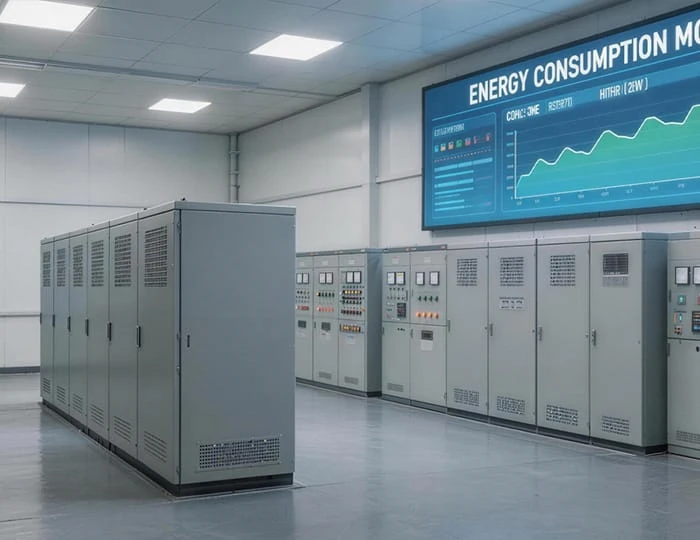
A grid-tied energy storage system works alongside the utility grid, storing electricity during low-cost periods or from on-site solar generation and discharging it when electricity prices are highest.
Key Benefits
- Peak shaving to reduce demand charges
- Increased self-consumption of solar energy
- Load shifting for lower electricity costs
- Improved energy efficiency
- Better return on investment for solar installations
For businesses in countries such as Kenya and South Africa, where commercial electricity tariffs continue to rise, grid-tied storage has become one of the most effective ways to control operating expenses.
3. Backup Power Energy Storage: Business Continuity When Every Second Counts
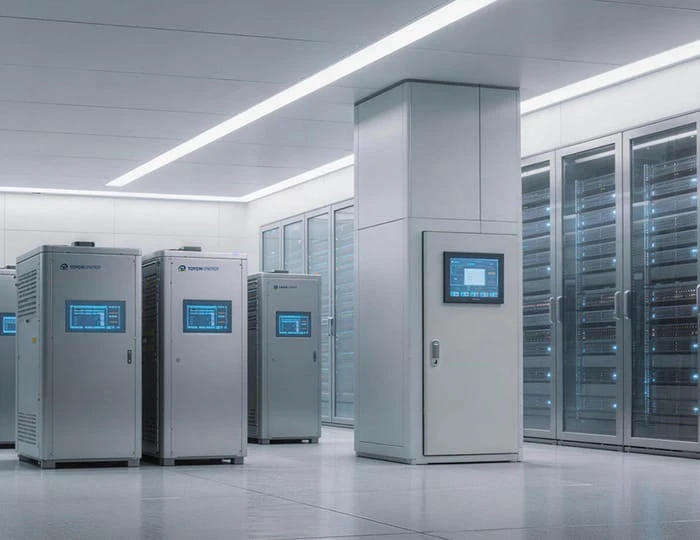
For many industries, even a brief power outage can result in production losses, equipment damage, or interrupted customer services.
Backup energy storage systems automatically supply power when the grid fails, ensuring uninterrupted operation of essential equipment and critical loads.
This solution is widely adopted by:
- Manufacturing facilities
- Hospitals
- Data centers
- Telecommunications infrastructure
- Financial institutions
- Commercial office buildings
Key Benefits
- Instant response during grid outages
- Protection for sensitive electrical equipment
- Reduced downtime and production losses
- Improved power quality and voltage stability
- Enhanced business continuity and operational resilience
In markets like Nigeria, where grid interruptions remain a common challenge, backup battery storage is becoming an essential part of commercial energy planning.
Which Energy Storage Solution Is Right for Your Business?
The right solution depends on your operational requirements rather than a one-size-fits-all approach.
- Choose an Off-Grid Solution if your facility operates in remote areas without reliable utility access.
- Choose a Grid-Tied Solution if your goal is to reduce electricity costs and maximize the value of your solar investment.
- Choose a Backup Power Solution if uninterrupted operation is critical to your business and power outages could lead to costly downtime.
In many cases, businesses combine these approaches to create a more flexible and resilient energy strategy tailored to their specific needs.
Final Thoughts
Commercial and industrial energy storage has evolved from a backup technology into a core business asset. Whether the objective is reducing energy costs, improving power reliability, or supporting renewable energy integration, modern BESS solutions provide measurable operational and financial benefits.
As electricity demand grows and energy markets continue to evolve—particularly across rapidly developing regions such as Africa—businesses that invest in the right energy storage solution today will be better positioned to improve resilience, lower operating costs, and achieve long-term sustainable growth.
FAQs
1. What is a commercial and industrial energy storage system?
A commercial and industrial (C&I) energy storage system uses lithium batteries to store electricity generated from the utility grid or renewable energy sources, such as solar panels. The stored energy can then be used during peak demand periods, power outages, or when electricity prices are high, helping businesses improve energy efficiency and reduce operating costs.
2. Can energy storage systems provide backup power during grid failures?
Yes. Battery energy storage systems can automatically switch to backup mode when a grid outage occurs, ensuring uninterrupted power for critical equipment and business operations. The available backup time depends on the battery capacity and connected load.
3. What is the difference between off-grid, grid-tied, and backup energy storage systems?
An off-grid system operates independently of the utility grid and is ideal for remote locations without reliable electricity. A grid-tied system works alongside the grid to reduce electricity costs through peak shaving and load shifting. A backup energy storage system remains on standby and automatically supplies power during grid outages to keep critical operations running.
4. How do I know which commercial energy storage solution is right for my business?
The best solution depends on several factors, including your electricity consumption, grid reliability, business continuity requirements, renewable energy capacity, and budget. Businesses with frequent outages may prioritize backup power, while those with high electricity bills often benefit more from grid-tied energy storage.
5. Is commercial battery energy storage suitable for industries with 24/7 operations?
Yes. Industries such as manufacturing, mining, logistics, healthcare, and telecommunications often require continuous power. Energy storage systems help maintain stable operations by providing backup power, reducing voltage fluctuations, and supporting critical equipment during grid interruptions.
6. How quickly can a commercial energy storage system respond during a power outage?
Most lithium battery energy storage systems can switch to backup mode within milliseconds, helping protect sensitive equipment and minimizing disruptions to business operations.