

The transformation of the energy sector has long been a topic of global interest. In early January 2026, Tesla founder Elon Musk highlighted his ambitions for "space-based photovoltaics" during a public interview: launching solar-powered AI satellites into space—where there is neither night nor cloud cover—to absorb sunlight around the clock at an intense rate.
"Solar power is the only answer to human energy freedom."
For owners of industrial and commercial properties, the most direct way to utilize solar energy is by installing photovoltaic (PV) panels to convert sunlight into the electricity needed for operations.
PV Market Poised for Recovery in 2026
In December 2025, my country’s production of solar cells (PV cells) totaled 74.44 million kilowatts, a year-on-year decrease of 9.7%; however, the total output for the full year (January–December) reached 832.74 million kilowatts, a year-on-year increase of 7.6%. Solar power generation in December 2025 stood at 42.2 billion kilowatt-hours (kWh), up 18.2% year-on-year, while the total generation for the year reached 572.6 billion kWh, a year-on-year rise of 24.4%.
Regarding pricing, the PV industry supply chain completed a full cycle in 2025—moving from a "sharp decline" to "bottoming out and stabilizing," and finally to a "gradual rebound." In the third quarter, average prices for polysilicon, silicon wafers, cells, and modules rose by 35%, with module prices stabilizing in the 0.68–0.72 RMB/W range; high-efficiency modules commanded a price premium thanks to their technological advantages.
On January 20, 2026, Trina Solar released its latest guidance prices for standard distributed PV modules, raising them by another 0.03 RMB/W and pushing the quoted price range to 0.88–0.92 RMB/W. This marked the company's third price adjustment of 2026; in less than a month, the price of standard modules rose by a cumulative 0.06 RMB/W. Thus, in terms of pricing, the industry has enjoyed a strong start to 2026, laying a solid foundation for the market's recovery throughout the year.
Commercial and Industrial (C&I) PV: A Dual Engine for Cost Reduction, Efficiency Improvement, and Green Transformation
As a core application scenario for distributed photovoltaics (PV), C&I PV has become a preferred solution for corporate sustainable development, thanks to its unique advantages.
First, outstanding cost control capabilities
C&I enterprises typically have high electricity consumption and face high electricity prices. The "self-generation and self-consumption with surplus fed to the grid" model allows for a self-consumption rate exceeding 80%. This effectively hedges against electricity price fluctuations and significantly lowers operating costs; most projects achieve investment payback within 3–4 years and continue to generate stable returns for the subsequent 25 years.
Second, significant enhancement of asset value
Underutilized spaces—such as factory rooftops and logistics park facilities—are transformed into "green power plants." This enables fixed assets to continuously generate cash flow and achieves intensive resource utilization without requiring additional land.
Third, highlighted green competitiveness
PV power generation produces zero emissions, helping enterprises meet carbon reduction targets and align with ESG (Environmental, Social, and Governance) principles. Green electricity certification boosts product competitiveness in the market, while the system ensures a stable power supply during periods of grid curtailment, safeguarding production and operations.
Fourth, continued policy support
National and local subsidies and support policies for C&I PV have further lowered the investment threshold for enterprises and accelerated project implementation.
Toyon Energy: A Pragmatic Innovator in C&I PV Implementation
Amid the wave of C&I PV adoption, Toyon Energy has established a comprehensive presence across the entire industry chain—covering investment, development, construction, and operations. Its business footprint spans residential green power, C&I multi-energy complementarity, centralized new energy projects, smart O&M (operations and maintenance), and even overseas markets, positioning the company as a key force driving the industry's green transformation. Deeply committed to PV technology innovation and application, the company has successfully implemented numerous distributed C&I PV projects in regions such as Hefei, Fuyang, Lu'an, Wuhu, and Tongling, demonstrating through tangible results the value of PV in empowering industry.
Case Study 1: Jingde Landfill 2.2MW Distributed PV Project
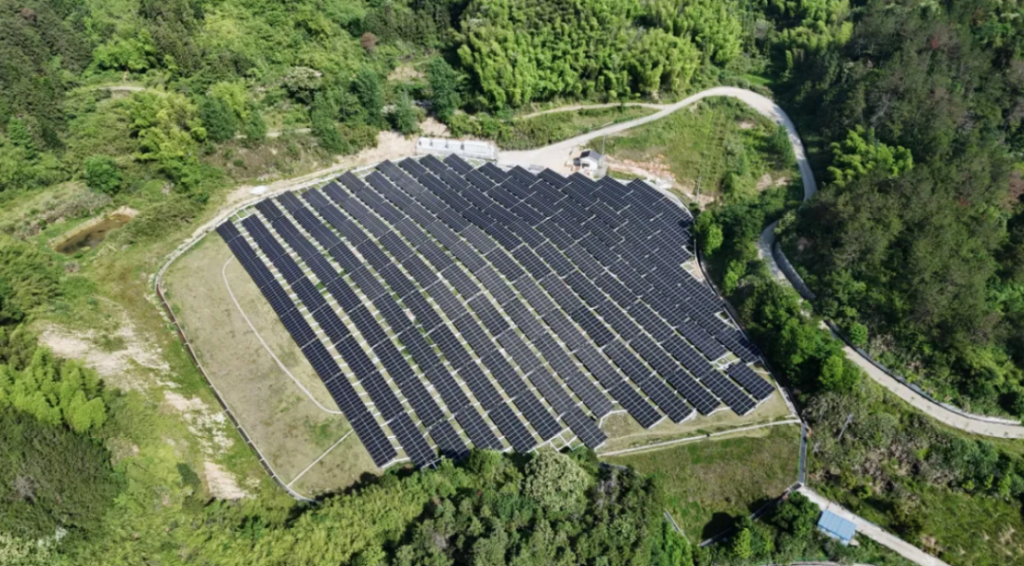
We successfully constructed a distributed PV power generation system on a 37,000-square-meter landfill site, achieving both the revitalization of land use and the efficient production of clean energy. Over a 25-year operational period, the project is projected to generate a total of 54.4 million kWh of electricity, with an annual average output of 2.18 million kWh—equivalent to the annual electricity consumption of 800 households.
Case Study 2: 1.2 MW Distributed PV Project at Hefei Chunran Meat Products Factory (Changfeng County)
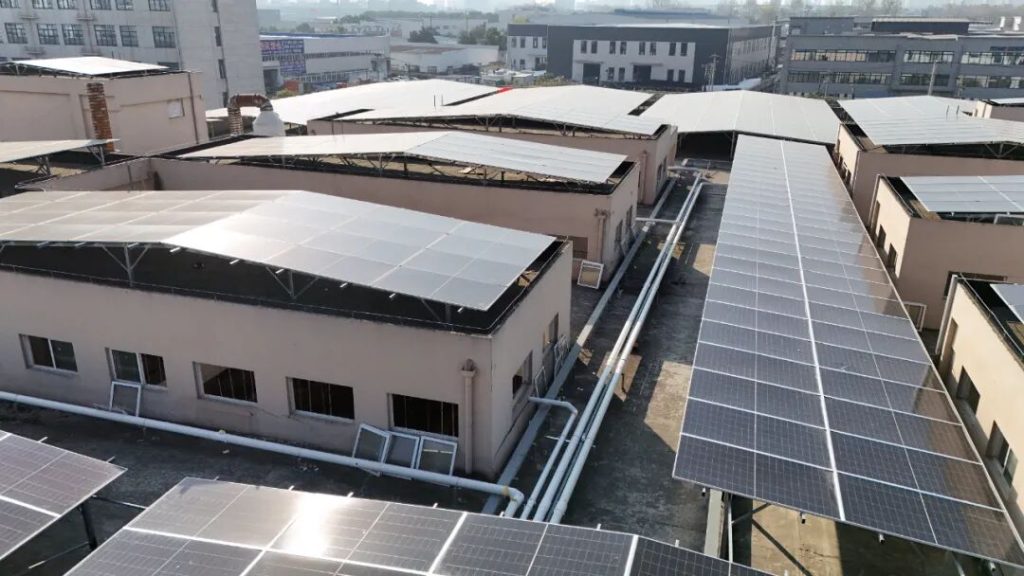
This project at the Chunran Meat Products Factory in Changfeng County utilizes an innovative Energy Management Contract (EMC) model, enabling the enterprise to establish the facility with "zero investment." With a projected annual output exceeding 1.3 million kWh, the project not only significantly alleviates the company's energy burden but also promotes energy conservation and carbon reduction in production through clean power, serving as a successful example of the integrated development of "photovoltaics + agricultural product processing."
Case Study 3: 960 kW Distributed PV Project at Anhui Yunhai Intelligent Technology
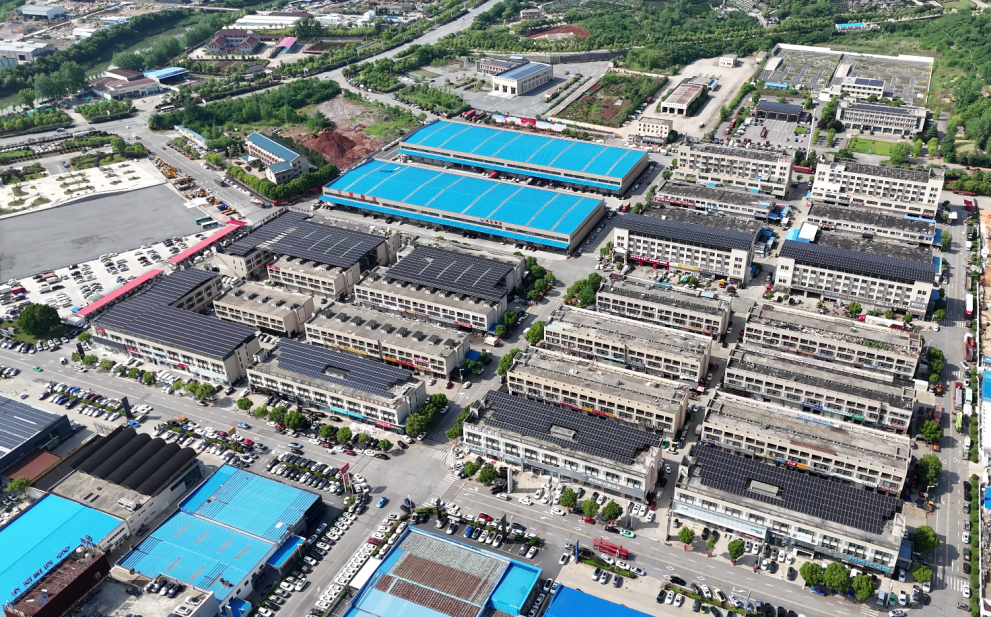
The Anhui Yunhai Intelligent project is expected to generate an average of 1.008 million kWh of electricity annually. This green energy is used directly in the company's production processes, resulting in annual electricity cost savings of hundreds of thousands of yuan. Over the project's entire lifecycle (exceeding 25 years), the cumulative savings on electricity expenses will be substantial.
Case Study 4: 2.2 MW Commercial/Industrial Rooftop PV Project at Tongling International Auto City
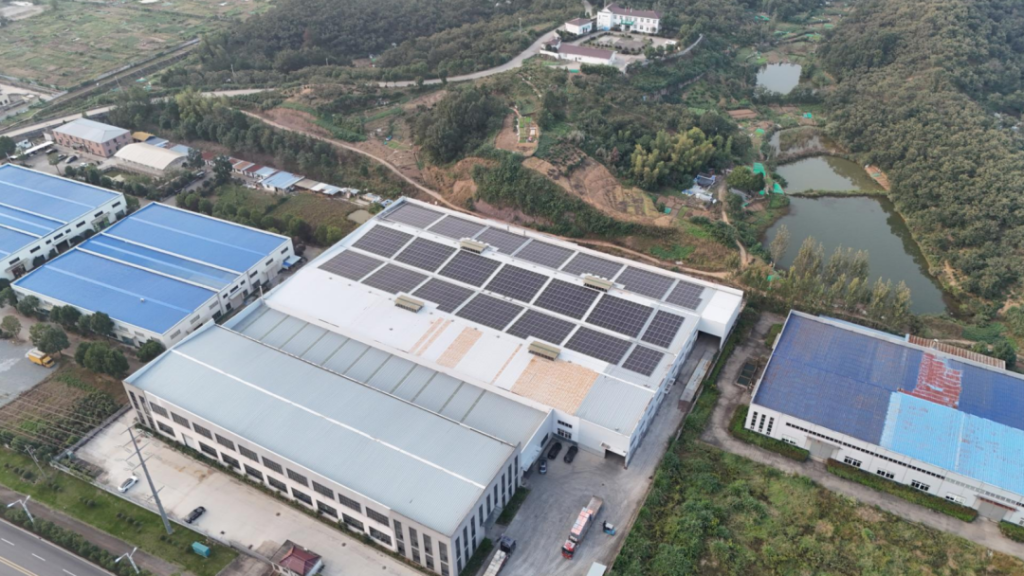
The PV array at Tongling International Auto City boasts a capacity of 2.22 MW and generates an average of 22.2 million kWh of electricity annually; surplus power is fed into the grid to supply electricity to nearby residents.
Case Study 5: 800 kW Distributed PV Project at Anhui Hongji Environmental Technology Co., Ltd.
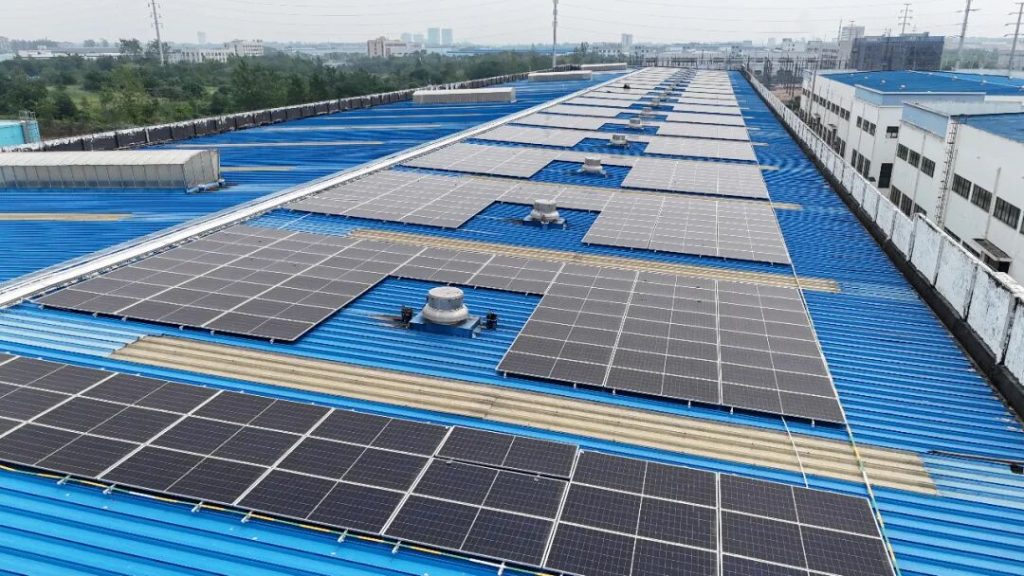
By adopting a "self-generation and self-consumption with surplus fed to the grid" model, the project reduces electricity costs and leverages idle rooftop space to generate stable returns over a 25-year period. Calculations indicate that the initial investment can be recouped within 3 to 4 years, with average annual electricity cost savings exceeding 449,000 yuan.
Despite the severe challenges currently facing the photovoltaic industry, long-term growth prospects remain promising. Moving forward, Tongyuan New Energy will continue to deepen technological innovation and collaboration, facilitating the implementation of more commercial and industrial PV projects and driving the green transformation of enterprises.