

Table of Contents
As electricity prices continue to rise and grid reliability becomes a growing concern, more businesses are investing in Commercial Battery Energy Storage Systems (BESS) to reduce operating costs, improve energy resilience, and maximize renewable energy utilization. However, one of the first questions buyers ask is:
How much does a commercial battery energy storage system cost?
The answer depends on several factors, including system capacity, application scenario, battery technology, and installation requirements. In this guide, we'll explain what affects the cost of a commercial battery energy storage system, compare Off-Grid, Backup Power, and Grid-Tied solutions, and help you choose the right system for your business.
What Is a Commercial Battery Energy Storage System?
A Commercial Battery Energy Storage System (BESS) stores electricity for later use, allowing businesses to optimize energy consumption, reduce peak demand charges, provide backup power, and integrate renewable energy sources such as solar PV.
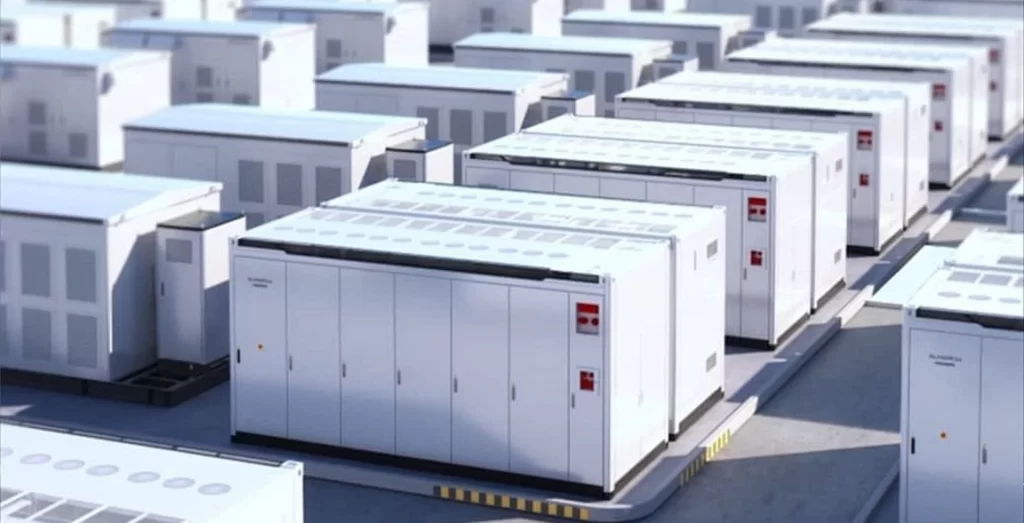
Modern commercial ESS solutions typically include:
- Lithium Iron Phosphate (LiFePO₄) battery modules
- Power Conversion System (PCS)
- Battery Management System (BMS)
- Energy Management System (EMS)
- Cooling system (Air-cooled or Liquid-cooled)
- Intelligent monitoring platform
These systems are widely used in factories, shopping malls, office buildings, hospitals, hotels, logistics centers, EV charging stations, and industrial parks.
How Much Does a Commercial Battery Energy Storage System Cost?
There is no fixed price because every project has different energy requirements. In general, the total investment depends on:
- Battery capacity (100kWh, 215kWh, 500kWh, 1MWh, 2MWh, or larger)
- Power output (kW)
- Battery chemistry
- Cooling technology
- Installation location
- Local labor costs
- Grid connection requirements
- Project customization
As system capacity increases, the cost per kilowatt-hour generally becomes more competitive, making larger commercial installations more cost-effective over the long term.
Instead of focusing only on the purchase price, businesses should evaluate the total lifecycle value, including electricity savings, maintenance costs, battery lifespan, and return on investment (ROI).
What Factors Affect the Cost of a Commercial ESS?
1. Battery Capacity
The battery is the most significant cost component.
Small commercial projects may require 100–250kWh systems, while manufacturing plants or industrial parks often deploy systems ranging from 500kWh to several megawatt-hours.
Larger capacities increase the total investment but usually reduce the cost per kWh.
2. Battery Technology
Most modern commercial energy storage systems use LiFePO₄ batteries because they offer:
- Longer service life
- Higher safety
- Better thermal stability
- Lower maintenance requirements
- Excellent cycle performance
Although lithium batteries have a higher initial investment than traditional lead-acid batteries, they deliver much better long-term value.
3. Cooling System
Cooling technology has a direct impact on both cost and performance.
Air-Cooled ESS
- Lower initial investment
- Suitable for small and medium projects
- Easier maintenance
Liquid-Cooled ESS
- Better temperature consistency
- Higher charging efficiency
- Longer battery lifespan
- Ideal for large commercial and industrial applications
For businesses operating in high-temperature environments, liquid-cooled ESS often provides a lower total cost of ownership despite the higher upfront investment.
4. Installation Environment
Project complexity also influences the total cost.
Factors include:
- Indoor or outdoor installation
- Civil engineering work
- Cable routing
- Transformer upgrades
- Grid interconnection
- Commissioning services
Planning these requirements early can help avoid unexpected expenses during project implementation.
Which Commercial ESS Solution Is Right for Your Business?
Choosing the right energy storage solution is just as important as understanding the cost. Most commercial projects fall into one of three categories.
1. Off-Grid Solution
An Off-Grid Battery Energy Storage System operates independently from the utility grid.

It is ideal for:
- Remote factories
- Mining operations
- Farms
- Telecom stations
- Islands
- Rural communities
Benefits
- Complete energy independence
- Reliable power in remote areas
- Reduced diesel generator consumption
- Greater use of solar energy
Although off-grid systems often require larger battery capacities, they provide continuous power where grid access is limited or unavailable.
2. Backup Power Solution
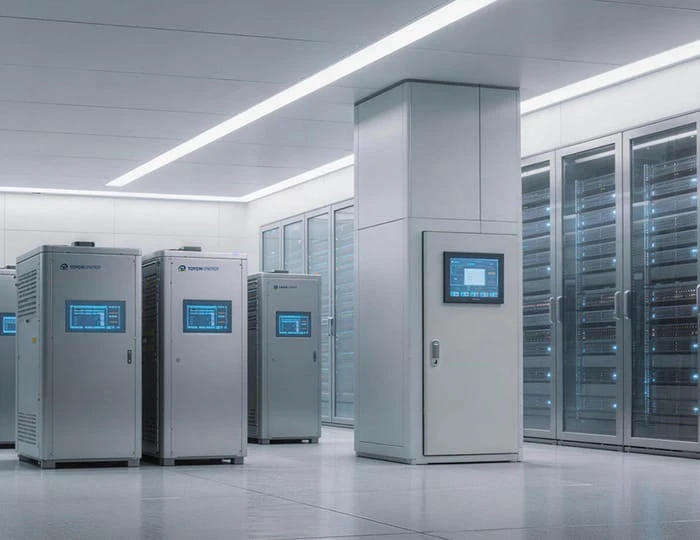
A Backup Power ESS is designed to maintain critical operations during power outages.
Typical applications include:
- Hospitals
- Data centers
- Manufacturing plants
- Hotels
- Office buildings
- Commercial facilities
Benefits
- Instant backup power
- Business continuity
- Reduced production downtime
- Protection for critical equipment
For regions with unstable grids, a backup power solution can prevent costly interruptions and improve operational reliability.
3. Grid-Tied Solution
A Grid-Tied Battery Energy Storage System works alongside the utility grid to optimize electricity consumption.
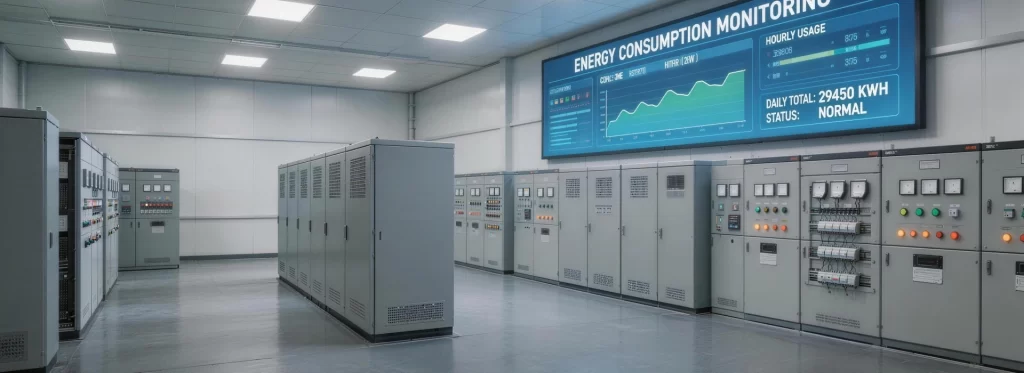
It is commonly used for:
- Peak shaving
- Load shifting
- Demand charge management
- Solar self-consumption
- Time-of-use electricity optimization
Benefits
- Lower electricity bills
- Improved energy efficiency
- Better utilization of solar power
- Faster return on investment
For many businesses, a grid-tied ESS offers the quickest payback by reducing monthly electricity costs without disconnecting from the grid.
How Can a Commercial ESS Reduce Electricity Costs?
One of the main reasons companies invest in battery storage is to reduce operating expenses.
A commercial ESS helps businesses by:
- Charging batteries during off-peak electricity periods
- Discharging stored energy during expensive peak hours
- Increasing solar energy self-consumption
- Lowering demand charges
- Reducing reliance on diesel generators
- Improving energy efficiency
These savings can significantly shorten the payback period, especially in regions with high electricity tariffs or frequent peak demand charges.
Whether you're looking to lower electricity costs, improve energy resilience, or integrate renewable energy into your operations, Toyon Energy offers customized solutions backed by professional engineering support, OEM & ODM services, and reliable after-sales assistance.
Get a Free Commercial ESS Solution
Looking for the right battery energy storage system for your business?
Contact Toyon Energy today for a customized energy storage solution tailored to your project requirements.
Related Solutions:
- Off-Grid Commercial ESS Solution
- Backup Power Energy Storage Solution
- Grid-Tied Battery Energy Storage Solution
By choosing the right system and deployment strategy, your business can achieve lower energy costs, greater operational reliability, and a more sustainable energy future.
FAQs
1. Is a commercial battery energy storage system safe?
Yes. Modern commercial ESS solutions include advanced Battery Management Systems (BMS), intelligent Energy Management Systems (EMS), thermal management, fire suppression systems, and multiple safety protections to ensure reliable operation.
2. What battery technology is best for commercial energy storage?
Lithium Iron Phosphate (LiFePO₄) batteries are widely preferred because they offer high safety, long cycle life, excellent thermal stability, and low maintenance requirements.
3. What is the difference between air-cooled and liquid-cooled ESS?
Air-cooled systems are suitable for small and medium-sized applications with lower initial costs.
Liquid-cooled systems provide better temperature control, higher efficiency, longer battery life, and are recommended for large commercial and industrial projects.
4. How does a commercial ESS reduce electricity bills?
The system stores electricity during off-peak hours or from solar generation and discharges it during peak-price periods. This reduces demand charges, improves energy efficiency, and lowers overall electricity costs.
5. What is the difference between Off-Grid, Backup Power, and Grid-Tied ESS?
Off-Grid ESS operates independently from the utility grid and is ideal for remote locations.
Backup Power ESS supplies electricity during grid outages, ensuring uninterrupted business operations.
Grid-Tied ESS works with the utility grid to reduce electricity costs through peak shaving, load shifting, and solar energy optimization.
6. What industries benefit most from commercial battery storage?
Commercial battery storage is suitable for:
Manufacturing plants
Industrial parks
Office buildings
Shopping malls
Hotels
Hospitals
Data centers
EV charging stations
Warehouses
Agricultural facilities