

Recently, Toyon Energy signed a 2.3MW photovoltaic (PV) module supply agreement with a customer in Ukraine, supplying a total of 3,500 pieces of 655W high-efficiency modules. The successful conclusion of this order not only marks a substantial breakthrough in the company’s expansion into the Eastern European market, but also demonstrates the effectiveness of its integrated business model in deepening its global presence amid profound changes in the global solar industry.
Notably, this order was signed shortly before the official cancellation of the PV export tax rebate policy on April 1. This raises an important question: after the export tax rebate drops to zero, where is the global solar export market heading?

Export Tax Rebate Ends: The Solar Industry Enters a New Phase
01 Why is the export tax rebate being canceled?
Starting April 1, 2026, China’s export tax rebate for photovoltaic products has been officially reduced to zero. The policy adjustment aims to correct the long-standing issue of “domestic competition exported abroad,” where companies passed rebate benefits to overseas buyers, effectively creating hidden fiscal subsidies for foreign markets.
At the same time, this move helps reduce accusations of “government subsidies” from Europe and the United States, easing trade tensions at the source and pushing the industry toward high-quality development instead of price-driven competition.
In simple terms, the policy is pushing solar companies to rely less on subsidies and more on real competitiveness.
02 Short-Term Impact: Rising Costs and Market Caution
According to analysis from the energy research organization TrendForce (PV & Energy Storage Insights), global PV module exports in Q1 are expected to reach 80–100 GW, a year-on-year increase of 30%–60%, accounting for 30%–38% of total annual export capacity.
Due to strong demand in the first quarter, the removal of the 9% export rebate is expected to increase export costs by approximately RMB 0.06–0.07/W. Combined with rising raw material prices, total module costs may increase by RMB 0.21–0.27/W.
In Q2, the export market is expected to enter a consolidation phase. Overseas buyers may slow procurement, while channel inventories increase, creating short-term pressure across the industry.
03 Long-Term Benefits: Industry Reshaping and Value Rebalancing
The removal of export tax rebates will accelerate the exit of outdated capacity. Leading companies with strong brand influence and technological advantages will be able to adjust pricing upward while maintaining stable order volumes.
The industry is expected to shift from “volume-driven, price-eroding competition” to “quality-driven, stable pricing competition.”
At the same time, policy changes will accelerate the transformation of Chinese PV companies toward integrated service providers offering:
localized delivery + financing solutions + O&M services.
The Strait of Hormuz Warning: Energy Security Becomes a Business Necessity
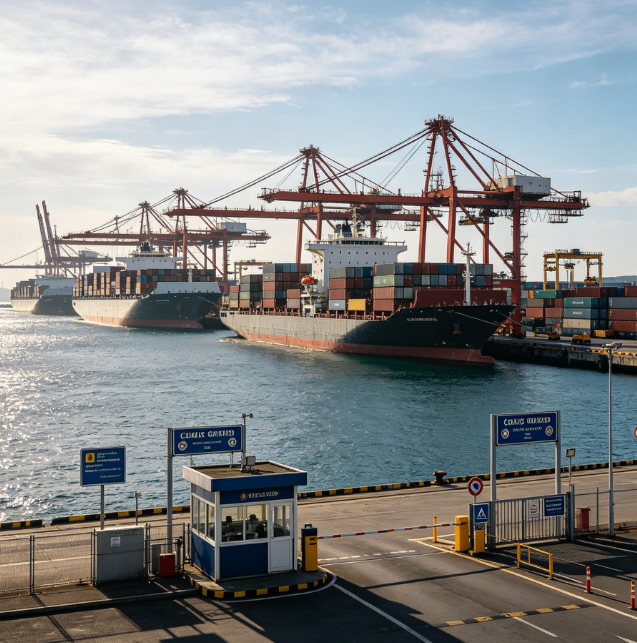
Recently, the potential closure of the Strait of Hormuz—through which around 20% of global oil trade passes—has drawn widespread attention. In such a scenario, Brent crude prices surged to USD 126 per barrel, severely disrupting global supply chains.
Even after reopening, volatility in traditional energy systems is expected to persist. Geopolitical conflicts have exposed the structural fragility of global energy systems.
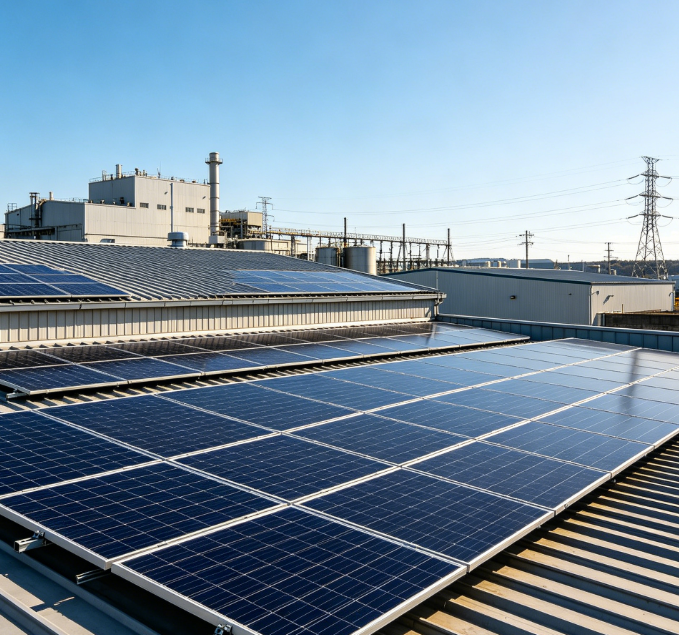
For enterprises, installing distributed solar systems is no longer optional—it has become essential.
01 Security: Reducing Dependence on Imported Energy
By deploying “PV + energy storage” systems, enterprises can establish independent power supply capabilities. Even under extreme conditions such as geopolitical conflict or energy embargoes, core production can continue without interruption.
02 Cost Reduction: Locking in Long-Term Electricity Expenses
Current industrial and commercial solar projects typically achieve an internal rate of return (IRR) of 8%–14%, enabling significant annual electricity cost savings. In an era of volatile fuel prices, solar energy effectively locks in stable electricity costs for the next 20 years.
03 Market Advantage: Gaining a Global “Green Passport”
Installing solar systems helps enterprises meet ESG requirements and enhance brand reputation. Increasingly, multinational corporations are incorporating supply chain carbon emissions into procurement standards, making clean energy adoption a key factor in winning contracts.
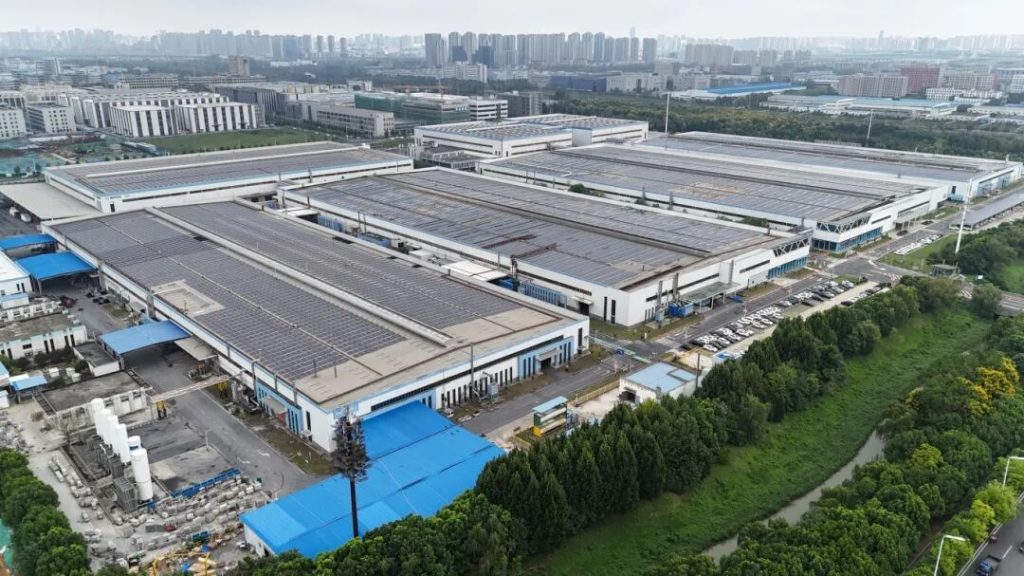
Toyon Energy’s Practice
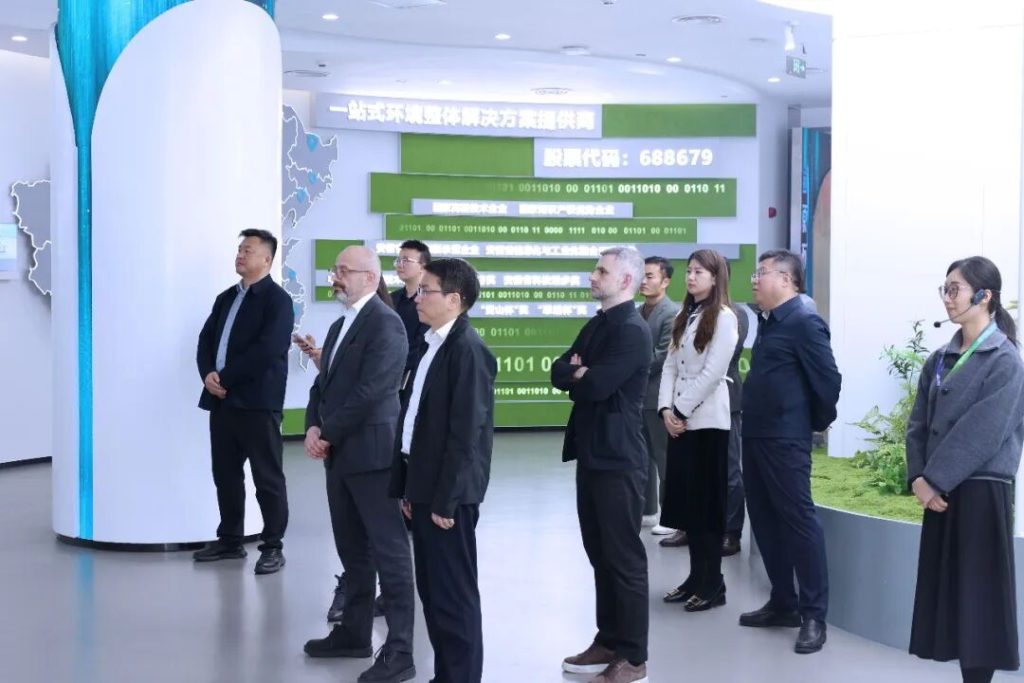
Behind the macro-level narrative lies the execution of countless real-world projects.
Shipping disruptions, the end of the rebate window, and raw material supply uncertainties are all testing companies’ supply chain resilience and risk management capabilities. For Chinese solar companies, the current priority is to ensure order delivery during the transition period, while diversifying supply chains and optimizing trade routes to mitigate short-term risks.
Looking further ahead, the potential global energy crisis will accelerate the energy transition worldwide. This creates historic opportunities for Chinese solar companies expanding into the Middle East and global markets.
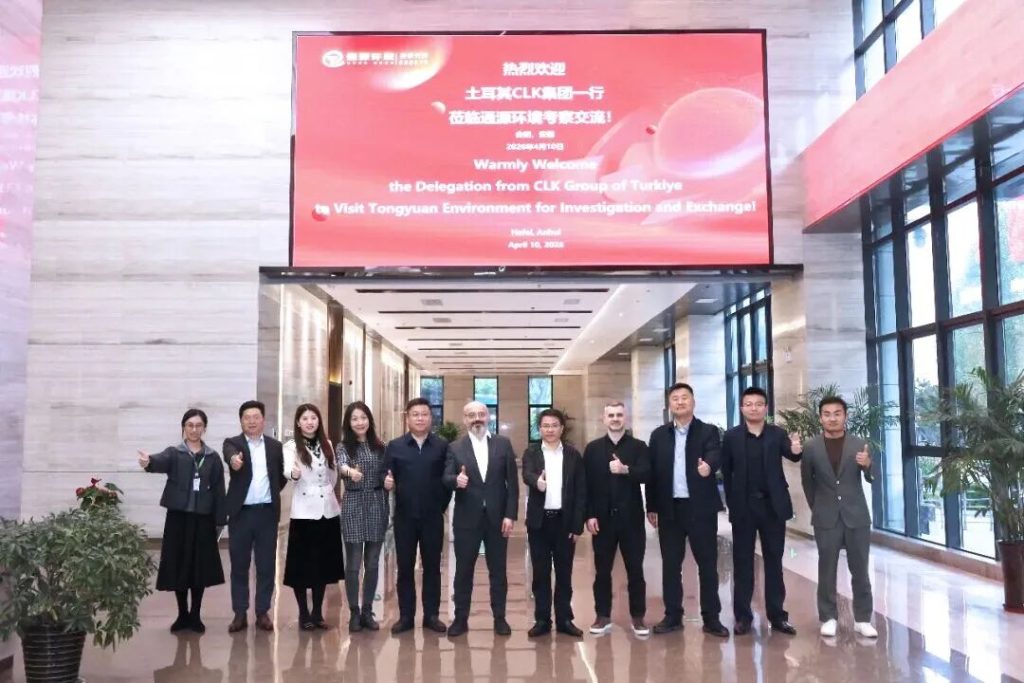
For Toyon Energy, the policy adjustment has reinforced its long-term strategic direction. Its confidence comes from a solid global foundation and system-level capabilities:
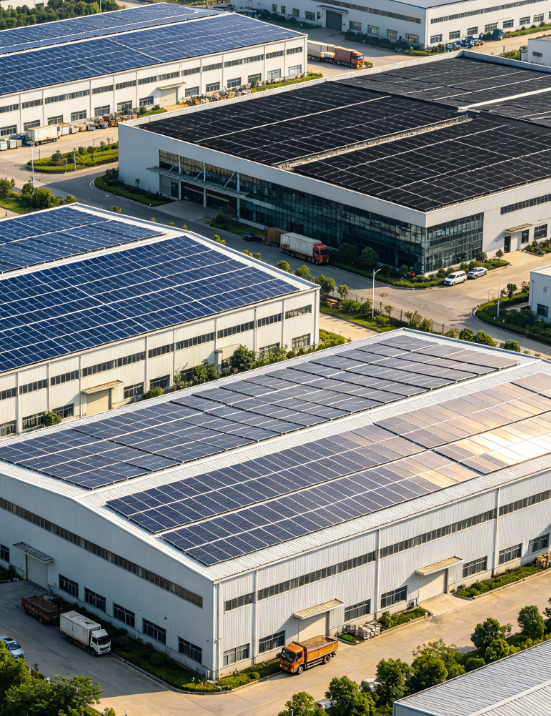
We adopt an integrated model of investment, development, construction, and operation & maintenance, delivering solutions across more than 40 countries on five continents. We continuously export Chinese clean energy technologies and support global low-carbon development, having established strategic partnerships in countries such as Vietnam and Kyrgyzstan.
We do not merely provide products—we deliver integrated value packages combining in-house core products, OEM/ODM collaboration, and complete system design. This “solar + storage integrated” capability addresses the global demand for stable and reliable clean energy.
This is precisely why Toyon Energy continues to earn the trust of overseas clients amid policy changes, industry restructuring, and geopolitical uncertainties.